Heating and Cooling Your Outbuilding or Detached Garage

March 5, 2025

A detached garage, workshop, or outbuilding can be a game-changer for homeowners and businesses. Whether you're using it as a workspace, hobby area, man cave, or she-shed, keeping the space comfortable year-round is essential. However, heating and cooling an outbuilding isn’t as simple as adjusting the thermostat in your home. It requires the right equipment, proper insulation, and an expert touch to ensure efficiency and effectiveness. That’s where Custom Cooling & Heating, Inc. comes in—offering customized HVAC solutions designed specifically for your space. Here’s our tips to heating and cooling your outbuilding or detached garage. 


Why Heating and Cooling Matter in Your Outbuilding 

Many people assume they can get by with an old space heater or a window AC unit, but these are often inefficient, expensive to run, and unsafe. Proper climate control provides several benefits, including: 


  • Year-Round Comfort: Whether you’re working in the dead of winter or the heat of summer, your space remains comfortable. 
  • Equipment and Material Protection: If you store tools, paint, electronics, or vehicles in your outbuilding, temperature fluctuations can cause damage. 
  • Energy Efficiency: A well-planned heating and cooling system, combined with proper insulation, saves you money compared to makeshift solutions. 
  • Air Quality & Ventilation: Proper HVAC solutions improve air quality by reducing humidity, dust, and pollutants. 


Proper Insulation: The Key to Efficiency 

Before installing heating and cooling, proper insulation is crucial for maintaining efficiency and keeping costs low. Without adequate insulation, your system will have to work harder, leading to higher energy bills and uneven temperatures. 


Recommended insulation options include: 


  • Spray Foam Insulation – Best for air-sealing and providing high R-value per inch. 
  • Fiberglass Batts – A cost-effective and easy-to-install option for walls and ceilings. 
  • Rigid Foam Board – Ideal for insulating garage doors and concrete walls. 
  • Blown-in Insulation – Great for attics and hard-to-reach spaces. 


Choosing the Right Heating and Cooling System 

There are several HVAC options for outbuildings, each with its own advantages. Custom Cooling & Heating, Inc. specializes in helping you choose the best system for your specific needs. 


1. Mini-Split Heat Pumps: The Most Versatile Option 

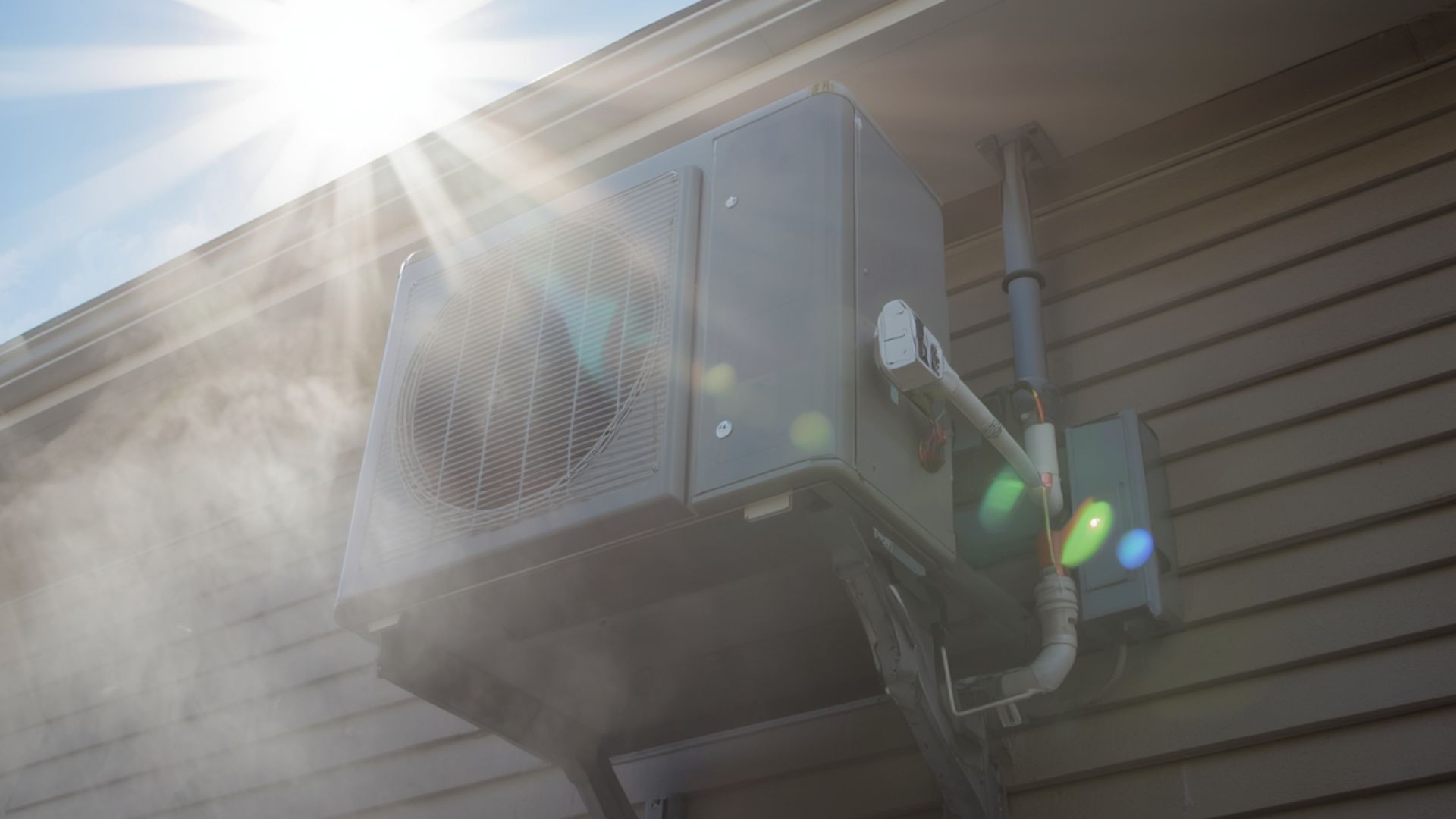
Ductless mini-split heat pump systems are one of the best choices for heating and cooling detached spaces. They offer: 


  • Energy efficiency – Uses inverter technology to adjust output based on demand. 
  • Zoned control – You can heat or cool only when needed. 
  • No ductwork required – Easier installation compared to traditional HVAC systems. 
  • Year-round performance – Provides both heating and cooling in one system. 


2. Overhead Radiant Heat: Efficient and Even Heating

For workshops or garages where dust or air movement is a concern, overhead radiant heating is an excellent option. 


  • Silent and efficient – Radiant heat warms objects, not just the air. 
  • No ductwork required – Ideal for open spaces with high ceilings. 
  • Great for workspaces – Keeps floors and workbenches warm, making it a popular choice for mechanics and woodworkers. 


3. Forced Air Unit Heaters: High Heat Output 

Forced air unit heaters are a popular choice for larger garages and commercial spaces. 


  • Powerful heating – Can quickly warm up large spaces. 
  • Ceiling-mounted options – Saves floor space and distributes heat evenly. 
  • Gas or electric options – Choose the best energy source for your setup. 


4. Packaged HVAC Units for Larger Spaces 

For larger workshops or outbuildings, a small forced-air furnace and AC system might be the best choice. While requiring ductwork, it delivers whole-space comfort and excellent efficiency. 


5. Radiant Floor Heating for Ultimate Comfort 

If you're building or renovating your outbuilding, consider radiant floor heating for efficient, even heat distribution without blowing air or taking up wall space. 


6. Typical Furnace: A Reliable Heating Solution 

A standard furnace installation can be an effective choice for larger outbuildings. 


  • Consistent and reliable – Provides a steady source of heat. 
  • Can be combined with central AC – Making it a complete climate control solution. 
  • Fuel options – Available in natural gas, propane, or electric models. 


Installation: Why Professional Setup Matters 

Improper installation can lead to higher energy bills, poor performance, and safety hazards. At Custom Cooling & Heating, Inc., our expert technicians ensure: 


  • Correct sizing – Too big or too small of a unit can be inefficient. 
  • Proper ventilation – Essential for gas heating and overall air quality. 
  • Smart placement – Optimizing airflow and performance. 
  • Seamless integration – Making sure your system works with any existing structures or utilities. 


Get a Custom HVAC Solution for Your Outbuilding Today

Don't settle for a cold workshop in the winter or a stifling garage in the summer. Custom Cooling & Heating, Inc. specializes in designing and installing heating and cooling solutions tailored to your unique needs. Our team ensures professional installation, energy efficiency, and long-term comfort. 


Ready to transform your outbuilding? Contact us today for a consultation and get the perfect HVAC system for your space! 


Custom Cooling & Heating, Inc. | Lincoln, NE | Expert HVAC Solution 

Get Your Free Estimate & Schedule Your Installation!

Get a Quote

Read our latest articles

Browse all articles
December 11, 2025
When temperatures plunge and your home suddenly feels more like a walk-in freezer, a broken heater can be more than an inconvenience, it can be an emergency. The middle of winter is the worst time to be without heat but knowing what steps to take can help protect your home, your family, and your comfort. At Custom Cooling & Heating , we help homeowners restore warmth quickly and safely. Here’s what to do if your heater stops working when you need it most. 1. Check the Basics First Before assuming the worst, start with a few simple troubleshooting steps. Many heating failures are caused by basic issues that can be resolved without a service call. Check your thermostat: Make sure it’s set to “Heat” and that the temperature is set higher than your home’s current indoor temp. If it’s a battery-powered thermostat, swap in fresh batteries. Inspect your circuit breaker: A tripped breaker can shut your furnace down completely. Reset it if necessary. Ensure your furnace switch is ON: Furnaces often have a standard light-switch-style power switch on or near the unit. Make sure it wasn’t accidentally turned off. Look at your air filter: A severely clogged filter can restrict airflow and cause your system to shut down for safety. If the filter looks dusty or blocked, replace it . If these quick checks don’t restore heat, the issue may be deeper inside the system and require professional attention. 2. Avoid Overworking Your System When heat stops flowing, it’s natural to keep adjusting the thermostat, hoping the furnace will kick back on. Try to avoid repeatedly turning the system on and off, as this can make the situation worse or cause damage. Instead, turn the system off if you smell burning, hear unusual noises, or see signs of overheating. These can signal electrical issues or mechanical failures that need a technician. 3. Use Safe Temporary Heating Solutions While waiting for repairs, you'll need to keep your home comfortable, but safety should always come first. Avoid using your oven or grill to heat your home, as these methods are extremely dangerous. Safer alternatives include: Electric space heaters: Keep them on a stable surface, at least three feet from flammable items. Fireplaces: Ensure the flue is open for proper ventilation. Layered clothing and blankets: A simple and safe short-term solution. If indoor temperatures drop too low, consider staying with a friend, family member, or in a hotel to avoid the risk of frozen pipes or health issues. 4. Prevent Your Pipes from Freezing A broken heater doesn’t just affect comfort, but it can also put your plumbing at risk. Frozen pipes can burst and cause significant water damage. To help prevent freezing: Keep cabinet doors open to allow warm air around plumbing. Let faucets drip slowly to keep water moving. If your home has multiple stories, keep doors open between rooms to allow even air circulation. If temperatures in your home drop below 55°F, your pipes may be at risk, so monitor them closely until the heat is restored. 5. Call a Professional HVAC Technician If basic troubleshooting doesn’t resolve the issue, it’s time to call a certified expert . Heating systems have complex electrical, mechanical, and safety components, so attempting repairs without training can be dangerous. At Custom Cooling & Heating, our technicians diagnose heater breakdowns quickly and offer reliable solutions to get your home warm again. Whether it’s a faulty ignitor, blower motor issue, dirty flame sensor, or aging furnace components, we’ll pinpoint the problem and recommend the most cost-effective fix. 6. Consider the Age of Your Heater If your heater is over 12–15 years old, repeated breakdowns may be a sign that it’s time for replacement. Older units lose efficiency, struggle to maintain consistent temperatures, and can increase your energy bills. A new high-efficiency heating system can: Reduce monthly utility costs Improve indoor air quality Deliver more consistent comfort Provide safer, more reliable performance Our team can help you compare repair vs. replacement options, so you can make the best choice for your budget and home. 7. Prevent Future Breakdowns with Regular Maintenance Once your heat is restored, the best way to avoid another winter surprise is to schedule annual furnace maintenance . Preventive service keeps your system running smoothly and can catch small issues before they turn into emergencies. Routine maintenance from Custom Cooling & Heating includes: Full system inspection Cleaning and lubrication Filter replacement Safety checks Efficiency testing Not only does this reduce the risk of winter breakdowns, but it also extends the life of your equipment. Stay Warm with Reliable Winter Heating Support A broken heater in the middle of winter can be stressful, but you don’t have to handle it alone. The experts at Custom Cooling & Heating are here to restore your comfort quickly and safely. Whether you need emergency repairs , routine maintenance , or a new system installation , our team is ready to help. Need fast heating service? Contact Custom Cooling & Heating today and let us bring the warmth back to your home.
November 12, 2025
As cold weather approaches in Nebraska, keeping your home warm without watching your energy bills skyrocket is a top priority. At Custom Cooling & Heating , we specialize in heating design, installation, maintenance, and repair services across Lincoln and surrounding communities. In this blog, we’ll walk through best practices to heat your home efficiently, lower energy costs, and prolong the life of your heating system. 1. Choose the Right Heating System for Your Home One of the biggest factors in efficiency is selecting the proper heating system based on your home’s size, insulation, ductwork, and climate. Whether you’re considering a high-efficiency furnace, a heat pump, or a hybrid system, proper sizing and design are crucial. Over‑sized systems may cycle on and off too frequently (wasting energy), while under‑sized systems may struggle to maintain comfort. 2. Perform Annual Maintenance & Tune‑Ups Even the best heating system loses efficiency if it isn’t maintained. For peak performance: Have your furnace or heat pump inspected and cleaned each year before peak use. Clean or replace air filters on schedule, every 1–3 months depending on model and usage. Order yours online through Custom Cooling & Heating here . Check for and seal duct leaks; leaky ducts waste heat by dumping warm air where it’s not needed. Make sure vents and registers are unobstructed by furniture, carpets, or drapes. Lubricate motors, tighten electrical connections, and confirm thermostat calibration. These steps ensure your system works less hard, reducing fuel or electricity use. 3. Optimize Thermostat Settings & Use Zoning Smart thermostat strategies can yield significant savings: Lower your thermostat when the home is unoccupied or overnight (e.g. 3–5° cooler). Use a programmable or smart thermostat to automate temperature changes. Consider zoning—divide your home into zones with separate thermostats, so you aren’t heating unused areas. Avoid frequently raising or lowering your thermostat drastically, as large swings force the system to work harder. Each degree you lower your thermostat can translate to noticeable savings over the heating season. 4. Improve Home Envelope & Insulation Your heating system’s effectiveness is only as good as your home’s ability to retain heat. A tight, well-insulated building envelope reduces heat losses and helps your system run less. Add or upgrade attic insulation. Seal gaps around windows, doors, and duct penetrations with caulk or weatherstripping. Use insulated curtains or window coverings. Insulate HVAC ductwork in unconditioned spaces (basements, attics). Consider adding storm doors/windows or better glazing in colder climates. Better insulation keeps the warmth in — resulting in lower heating demand. 5. Monitor Energy Usage & Take Advantage of Incentives Keep an eye on your monthly energy usage. If you notice spikes or trends upward, it may signal inefficiencies or failing components. Additionally: Check whether utility incentives, rebates, or tax credits are available when you replace a heating system with high-efficiency equipment. Many rebates apply for furnaces, heat pumps, or duct upgrades. Work with your HVAC contractor to ensure installations meet eligibility criteria. Smart upgrades now can pay off long term in lower bills and better system longevity. 6. Call on Professionals for Repairs & Upgrades If your heating system is underperforming—frequent cycling, uneven heating, loud noises, or rising bills—don’t wait until it fails. Call Custom Cooling & Heating for prompt repair or upgrade. Our licensed technicians offer residential heating repair, replacement, and preventive service across Lincoln and surrounding areas. We’re also BBB‑accredited with over 40 years in business. When you partner with experts, you ensure: Correct diagnosis of inefficiency sources Safe and optimized installation and repairs Long-term support and maintenance Heating Efficiently Isn’t Just About Comfort — It’s Smart Savings Heating your home efficiently in Nebraska’s colder months can make a big difference in your energy bills, system lifespan, and indoor comfort. By combining smart equipment choices, regular maintenance , good insulation, intelligent thermostat use, and professional services , you set yourself up for a warmer home and lower heating costs. If you’re ready to optimize your heating system or want an estimate on a new, efficient unit, contact us today. We’ll guide you through options tailored to your home, climate, and budget, so your heating bills stay in check all season long.