How to Prepare Your HVAC System for Winter

October 16, 2025

As winter approaches, making sure your heating, ventilation, and air conditioning (HVAC) system is ready is essential. A properly maintained system keeps your home comfortable, saves energy, and helps avoid costly repairs when the cold hits hardest. At Custom Cooling & Heating, we provide heating and cooling design, installation, and service in Lincoln, Nebraska and the surrounding area. 


Here’s how you can get your HVAC ready for winter — and why choosing a reliable local HVAC company matters. 


1. Schedule a Professional Tune-Up 

One of the most important steps is to have a technician inspect and tune up your HVAC system before the cold sets in. A professional winter check can include: 


  • Inspecting and cleaning the furnace or heat exchanger 
  • Checking the blower motor, belts, and bearings 
  • Testing safety controls, pilot light (if applicable), and gas connections 
  • Verifying thermostat calibration and settings 


This helps ensure your system runs efficiently and safely when you need it the most. 


2. Replace or Clean Air Filters 

Clogged filters restrict airflow and force your system to work harder, increasing energy costs and wear. For winter: 


  • Replace disposable filters or clean reusable filters 
  • Use high-quality filters (like pleated or HEPA, if compatible) 
  • Check filters monthly since heating systems run continuously 


This small step often yields big energy savings and better indoor air quality. 

New at Custom Cooling & Heating: You can now order filters online directly through our website. It’s a quick, hassle-free way to stay on top of filter changes and keep your system running smoothly. You can even save 10% when you turn on Auto Delivery!

3. Clean Vents, Registers & Air Ducts 

Your system’s ability to distribute heat depends on clean, clear ductwork: 


  • Vacuum and dust supply vents and return registers 
  • Ensure furniture, rugs, or curtains don’t block vents 
  • Inspect visible ductwork for loose connections or leaks 
  • Consider professional duct cleaning if you notice buildup or weak airflow 


Clean ducts help your heated air reach rooms evenly and reduce strain on your furnace. 


4. Upgrade or Program Your Thermostat 

A well-set thermostat can significantly reduce heating bills: 


  • Program lower temperatures during sleeping or away times 
  • Consider a smart thermostat to allow automation and remote control 
  • Avoid drastic temperature swings, gradual changes are easier for the system 


A good thermostat reduces unnecessary on/off cycling of your heating equipment. 


5. Inspect and Seal Ductwork & Home Envelope 

Leaky ductwork or poor insulation can waste a lot of heat: 


  • Seal gaps or holes in duct seams using foil-backed mastic or metal tape 
  • Check attic, walls, and crawl spaces for insulation gaps 
  • Seal air leaks around windows, doors, and utility penetrations 


Minimizing thermal losses means your HVAC system can work less to maintain comfort. 


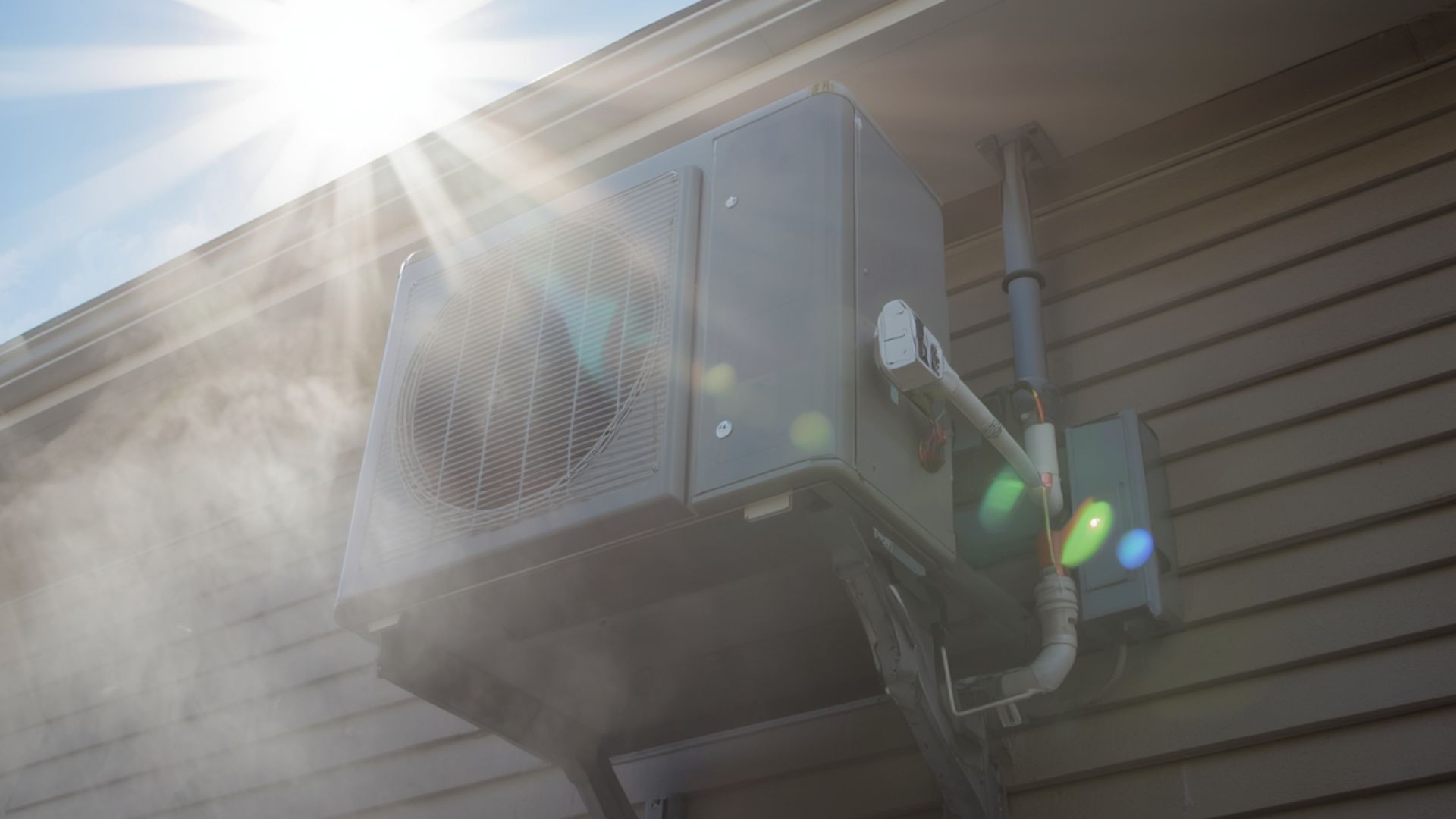
6. Protect Outdoor Components & Shut Down AC 

Though your air conditioner won’t run in winter, its outdoor portion should still be protected: 


  • Clear debris, leaves, and snow from the area 
  • If applicable, turn off the dedicated AC circuit or cover the unit carefully 
  • Keep outdoor equipment out of harm’s way from ice, falling branches, or extreme elements 


This helps prevent damage when spring returns and your system switches back to cooling. 


7. Test Carbon Monoxide and Smoke Detectors 

Heating systems, especially gas furnaces, can pose serious hazards if components fail: 


  • Replace batteries and test smoke detectors 
  • Test carbon monoxide (CO) detectors near bedrooms and near your furnace 
  • Ensure proper ventilation and that flues or chimneys are clear 


Safety checks are as important as efficiency checks in preparing for winter. 


Why Trust Custom Cooling & Heating for Your Winter Prep 

Choosing a trusted local HVAC company ensures the work is done right the first time. At Custom Cooling & Heating, we: 


Our team is local, reliable, and ready to help your system perform well all winter long. 


Final Thoughts 

Preparing your HVAC system for winter isn’t just a nice-to-do, it’s a must. A thorough tune-up, clean filters, sealed ducts, a smart thermostat, and safety checks all work together to: 


  • Improve comfort 
  • Lower utility bills 
  • Extend equipment life 
  • Prevent breakdowns when it’s coldest 


Don’t wait until the first deep freeze. Contact Custom Cooling & Heating today to schedule your pre-winter HVAC inspection, and don’t forget to order your filters online to keep your system at peak performance all season long. 

Get Your Free Estimate & Schedule Your Installation!

Get a Quote

Read our latest articles

Browse all articles
April 10, 2026
When it comes to home comfort, your heating and cooling system plays a vital role year-round, especially in Nebraska, where temperatures can swing from freezing winters to hot, humid summers. At Custom Cooling & Heating , one of the most common questions we hear is: how long should an HVAC system last? Understanding your HVAC system lifespan helps homeowners plan ahead, budget wisely, and avoid unexpected breakdowns. What Is the Average HVAC System Lifespan? In general, most HVAC systems last between 10 to 20 years, depending on the type of system and how well it’s maintained. Here’s a quick breakdown: Air conditioners: 10–15 years Furnaces: 15–20 years Heat pumps: 10–15 years However, Nebraska’s climate can impact these timelines. Systems here often work harder due to extreme seasonal changes, which can shorten the overall HVAC system lifespan if maintenance is neglected. That’s why regular service and proactive care are essential. Why Nebraska Weather Impacts Your HVAC System Nebraska’s climate puts unique stress on HVAC systems. From sub-zero winter temperatures to summer heat waves, your system rarely gets a break. This constant demand can lead to: Increased wear and tear Higher energy consumption More frequent repairs over time At Custom Cooling & Heating, we help homeowners prepare for these challenges with membership plans tailored to your needs. Signs Your HVAC System Is Nearing the End Even the best systems don’t last forever. Knowing the warning signs can help you replace your system before it fails completely. Watch for: Rising energy bills without increased usage Uneven heating or cooling throughout your home Frequent repairs or breakdowns Strange noises or odors System age approaching 15+ years If you’re noticing these issues, it may be time to start planning for a replacement rather than waiting for an emergency. How Regular Maintenance Extends HVAC System Lifespan One of the biggest factors affecting your HVAC system lifespan is maintenance . Routine service can significantly extend the life of your system and improve efficiency. Key maintenance steps include: Changing air filters regularly Scheduling annual tune-ups Cleaning coils and components Checking refrigerant levels Inspecting electrical connections According to the U.S. Department of Energy , proper maintenance can improve HVAC efficiency and reduce the likelihood of costly repairs. Repair or Replace: How to Decide One of the toughest decisions homeowners face is whether to repair or replace their HVAC system. Here’s a simple rule of thumb: If your system is under 10 years old, repairs are usually the better option If it’s over 15 years old and needs frequent repairs, replacement may be more cost-effective We always recommend considering: The cost of repairs vs. replacement Energy efficiency improvements Long-term reliability Our team can help you evaluate your system and determine the best path forward. The Benefits of Planning Ahead Waiting until your HVAC system fails can lead to: Emergency repair costs Limited replacement options Discomfort during extreme weather By understanding your HVAC system lifespan, you can plan and avoid these challenges. Proactive planning allows you to: Budget for replacement over time Choose energy-efficient systems Schedule installation at a convenient time Avoid peak-season delays At Custom Cooling & Heating, we work with homeowners to create a long-term plan that keeps their homes comfortable without surprises. Why Homeowners Trust Custom Cooling & Heating Choosing the right HVAC partner makes all the difference. At Custom Cooling & Heating, we’re committed to helping Nebraska homeowners get the most out of their systems. What sets us apart: Honest, expert recommendations Customized solutions for Nebraska homes Preventive maintenance programs Reliable installation and repair services We don’t just fix problems, we help you plan for the future. Conclusion Your HVAC system is one of the most important investments in your home. Understanding your HVAC system lifespan helps you stay ahead of potential issues and make smarter decisions about maintenance and replacement. At Custom Cooling & Heating, we’re here to help you protect that investment with expert guidance and reliable service. Ready to take control of your home comfort? Contact our team today, and let’s create a plan for your HVAC system’s future.
March 17, 2026
Your HVAC system works year-round to keep your home comfortable, but most homeowners don’t think about it until something stops working. Heating and cooling systems are complex, and without routine maintenance, small issues can quickly turn into costly repairs. A professional HVAC inspection helps prevent breakdowns, improve efficiency, and extend the life of your system. At Custom Cooling & Heating , an HVAC inspection is a detailed process designed to ensure your system is operating safely and reliably before peak seasons arrive. It Begins with the Thermostat and System Controls Every inspection starts with evaluating the thermostat. Since it controls when your system turns on and off, it must accurately read your home’s temperature and communicate properly with the HVAC equipment. If it’s not calibrating or cycling correctly, you may notice uneven temperatures or higher energy bills. The technician will also confirm that the system starts, runs, and shuts off as it should. This initial check ensures the core controls are functioning before diving deeper into mechanical components. Electrical Components Are Carefully Examined Electrical problems are a leading cause of HVAC system failures. Over time, normal vibration and wear can loosen connections or weaken parts. During an inspection, the technician checks wiring, tests key electrical components, and measures voltage levels to ensure everything is operating within safe limits. Catching small electrical issues early can prevent sudden outages, especially during extreme weather when your system is working hard. Airflow and Efficiency Are Evaluated Proper airflow is essential for both comfort and energy efficiency. A clogged air filter or restricted airflow can force your system to work harder, increasing wear and tear. During a professional HVAC inspection, the technician checks the air filter and evaluates overall airflow throughout the system. If airflow is restricted, it can lead to uneven temperatures and higher energy costs. Addressing these concerns early helps your system run more smoothly and efficiently. Heating System Inspection If your home uses a furnace, the heating components are inspected for both performance and safety. The technician examines the ignition system, burners, and safety controls to ensure everything is functioning properly. The heat exchanger is also checked, as any cracks or damage could pose safety concerns. Heating systems often run continuously during colder months, so ensuring safe and efficient operation before winter arrives can prevent emergency service calls. Cooling System Inspection For air conditioning systems, the focus shifts to cooling performance. The technician checks refrigerant levels, inspects coils, and evaluates the outdoor condenser unit. Low refrigerant or dirty coils can significantly reduce efficiency and make it harder to keep your home cool. The condensate drain line is also inspected to ensure moisture is draining properly. A clogged drain can cause water damage or system shutdowns if not addressed. Moving Parts and Overall Performance HVAC systems contain motors, fans, and other moving parts that naturally experience wear over time. During the inspection, these components are examined for signs of strain or deterioration. In some systems, moving parts may require lubrication to reduce friction and extend their lifespan. Once all components are inspected, the system is run through a performance test. This allows the technician to confirm proper temperature output, consistent cycling, and overall efficiency. If adjustments are needed, they can often be made during the same visit. Why Routine HVAC Inspections Matter Many homeowners wait until they notice a problem before scheduling service. Unfortunately, by the time a system shows obvious signs of trouble, repairs may already be necessary. Routine HVAC inspections allow small issues to be addressed before they turn into major problems. Regular inspections can improve energy efficiency, lower utility bills, and extend the life of your equipment. Most systems benefit from service at least once a year, and many homeowners choose inspections before both heating and cooling seasons to ensure peak performance. Preventative maintenance not only protects your investment but also provides peace of mind knowing your system is ready for whatever weather comes next. Schedule Your HVAC Inspection with Custom Cooling & Heating At Custom Cooling & Heating, we believe proactive maintenance is the key to dependable comfort. Our professional HVAC inspections are thorough, efficient, and designed to keep your system running at its best. If it’s been a while since your last inspection, now is the perfect time to schedule one. Contact Custom Cooling & Heating today to ensure your home stays comfortable and efficient in every season.